Traditional enterprise applications are built on structured data, predefined workflows, and deterministic processes. Each department runs its own siloed systems: HR, accounting, sales, CRM operating independently with rigid boundaries.
Agentic AI applications fundamentally redefine this landscape. They work with multimodal inputs including text, images, voice, video, and documents, inferring meaning and context from fuzzy, unstructured data. These applications deploy intelligent agents that research, analyze, and act autonomously across organizational boundaries. They don't just process information; they understand context, make decisions, and execute complex multi-step workflows.
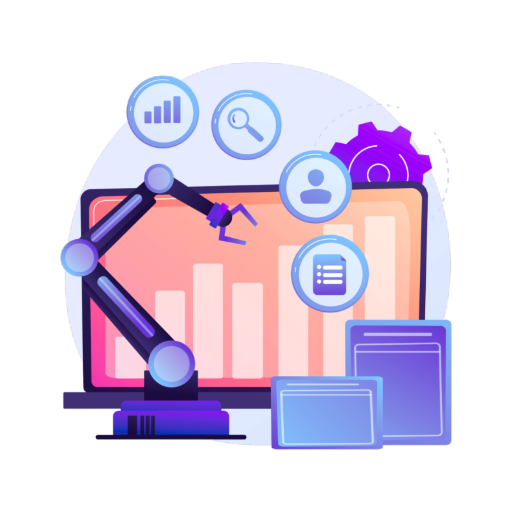
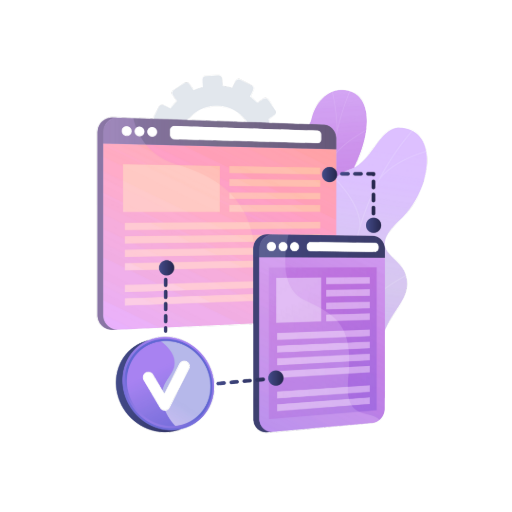
Autonomous Agent Operations:Intelligent agents conduct deep research across internal and external sources, gathering relevant information and reranking results. They perform intelligent filtering and prioritization, extract structured insights from unstructured sources, generate comprehensive summaries and reports, and execute multi-step workflows without constant human supervision.
Multimodal Intelligence:Process and understand diverse inputs—documents, images, voice commands, video content, spreadsheets, and unstructured text. Generate outputs in the appropriate format based on context: detailed reports, visual summaries, structured data, or natural language responses. Infer intent and meaning from incomplete or ambiguous information.
Cross-System Coordination:Work across multiple enterprise systems. Agents pull data from various sources, update relevant platforms, coordinate workflows between teams, and ensure information flows where it's needed.
We build agentic applications using advanced orchestration frameworks like LangGraph and LangChain that coordinate multiple agents, manage complex workflows, and handle state across multi-step processes. Our architecture combines vision models, language models, and speech processing into unified intelligent systems.
Agents are equipped with tools for web search, data extraction, API integration, and database access. They conduct research, validate information, perform relevance ranking and reranking, and generate outputs in appropriate formats. Multi-agent systems can collaborate and co-ordinate with each other autonomously, resulting in implementation of complex workflows.
Enterprise integration tools connect these AI capabilities with your existing infrastructure—ERP systems, CRM platforms, document repositories, communication tools, and legacy applications. Custom data processing pipelines handle diverse data types, ensure data quality, and maintain proper context throughout workflows.
Handle Complex, Unstructured Work:Process ambiguous inputs, unstructured data, and cross-functional workflows that traditional applications cannot manage. Agents coordinate multiple systems, conduct research, analyze findings, and take appropriate action—automating tasks that previously required human intelligence and judgment.
Adaptive Intelligence:Applications understand context and intent, adjusting behavior based on circumstances and priorities. Deploy systems that evolve with your business needs rather than requiring constant reprogramming. The same application handles routine cases efficiently and escalates complex situations appropriately.
Autonomous Execution:Agents work continuously, processing information as it arrives and executing tasks without waiting for human intervention. Research that took days happens in minutes. Complex workflows that required coordination between multiple people are handled automatically.
Multimodal Capabilities:One intelligent application handles documents, images, voice, video, and structured and unstructured data.


 1064, 7th A Main Rd, Koramangala 3rd Block, SBI Colony,
Koramangala,
Bengaluru, Karnataka 560034
1064, 7th A Main Rd, Koramangala 3rd Block, SBI Colony,
Koramangala,
Bengaluru, Karnataka 560034 Ph no: +91 9886237682